CHAPTER 4: The Price of Ruin
Three weeks passed. The transition of power within Whitmore Enterprises was swift and absolute. Under Grandmother Eleanor’s mentorship, I stepped into the executive role with a work ethic honed by years of managing other people’s chaos. I audited every department, restructured the failing commercial division, and brought in a new team of young, talented professionals who actually cared about the company’s future.
For the first time in my life, my energy was being spent building something for myself, rather than pouring water into a bucket full of holes.
However, the ripple effects of the engagement party scandal continued to tear through my former family like a hurricane.
One rainy Tuesday afternoon, I was sitting in my broad corner office overlooking Boston Harbor when my assistant informed me that my mother was downstairs in the lobby, begging to see me. She had been turned away by security three times already, but this time she refused to leave, sitting on the marble floor of the lobby and crying in front of the building’s tenants.
“Bring her up,” I said after a long silence. “Just her.”
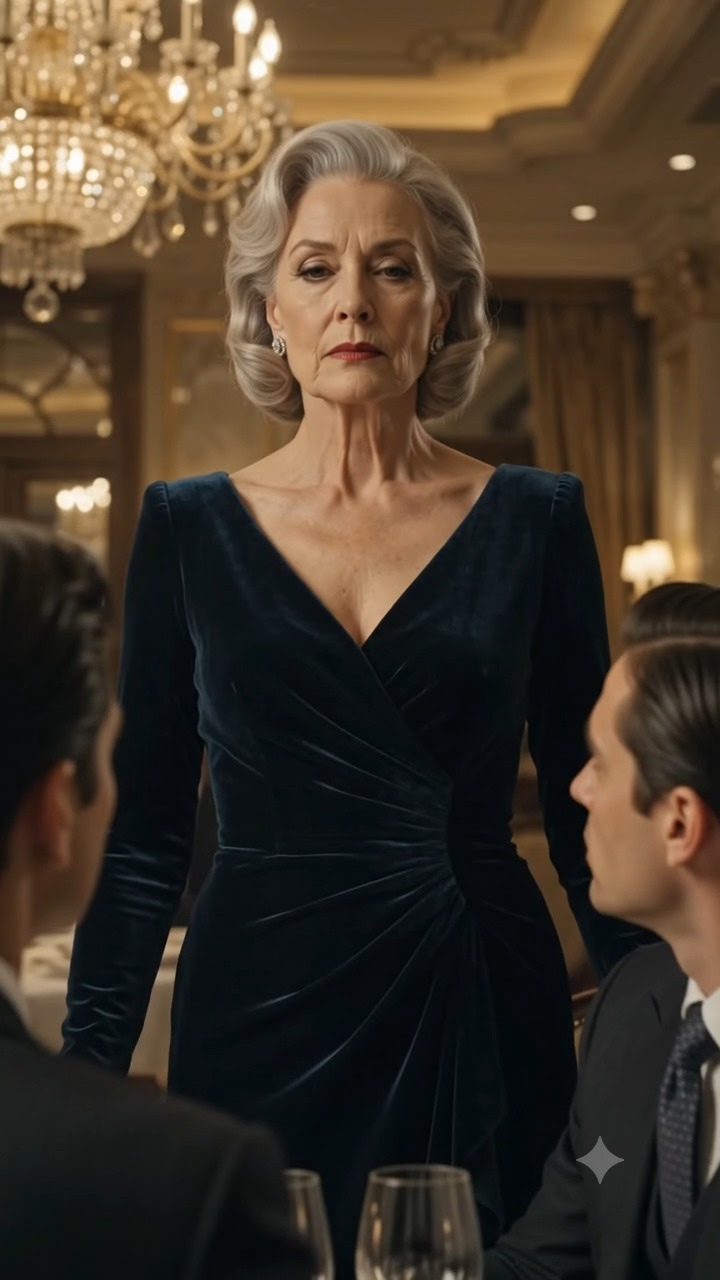
Five minutes later, Susan Hayes walked into my office. The immaculate, upper-crust woman who had spent decades meticulously crafting her social status was gone. Her hair was unstyled, her designer outfit was wrinkled, and her eyes were red-rimmed and hollow.
She didn’t try to yell or make grand demands. She simply stood near the door, clutching her handbag like a shield, looking at me sitting behind the massive executive desk.
“Emily…” she whispered, her voice raspy.
“Sit down, Mom,” I said, gesturing to the leather chair across from me.
She sat down gingerly, her hands trembling. “I… I didn’t know where else to go. The bank served us with foreclosure papers yesterday. They’re auctioning the house in Wellesley in thirty days.”
“I know,” I replied calmly. “The mortgage subsidies were revoked when Dad was terminated for embezzlement.”
“And Jason…” She swallowed hard, a tear spilling down her cheek. “Chloe’s family canceled the wedding permanently. They demanded return of the ring, and when Jason couldn’t return it because he had already pawned it to cover his gambling debts… her father threatened to press charges.”
I listened without interrupting, my face an unreadable mask. “What about Dad?”
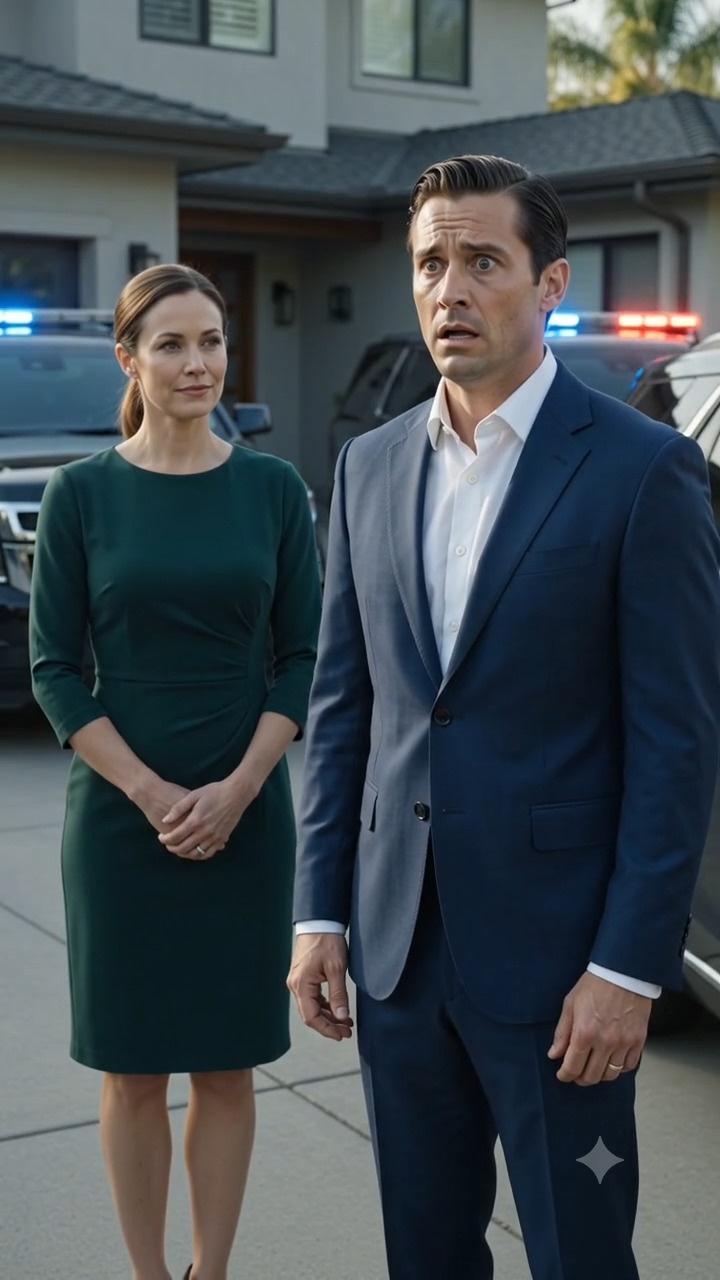
“He’s… he’s drinking again, Emily,” she sobbed, burying her face in her hands. “He stays in his study all day. The police came by two days ago with subpoenas from the District Attorney’s office regarding the forged medical records. They’re talking about criminal charges. Fraud. Conspiracy.”
She looked up at me, her eyes filled with a desperate, frantic pleading. “We have nothing left, Emily. Nothing. We’re going to be bankrupt. We’re going to lose everything. Your father could go to prison. Jason is facing lawsuits. Please… you have to tell Eleanor to stop the lawyers. You have to save us!”
I leaned back in my chair, looking at the woman who had brought me into the world, who had watched me sacrifice my youth, my happiness, and my mental health to keep her comfortable, and who had cast me out without a second thought the moment she believed I had nothing left to give.
“Do you remember what you said to me, Mom?” I asked softly. “At seven-eighteen p.m. on my birthday?”
She blinked, confused. “Emily, please, I was angry—”
“‘She’s twenty-five years old. No job. No future. No money. I guess she’ll be sleeping under a bridge tonight.'” I quoted the exact words my father had spoken while she stood by and laughed. “You didn’t care where I was going to sleep, Mom. You packed my life into three trash-bag-lined suitcases and left them in the garage.”
“We made a mistake!” she cried out. “We were desperate!”
“No,” I corrected her firmly. “You weren’t desperate. You were greedy. You had a home, you had income, and you had a daughter who worked herself into the ground to support you. But it wasn’t enough. You wanted everything. You wanted to take the one thing my grandfather left me, and when you couldn’t take it, you decided to destroy me.”
“So you’re just going to watch us starve?” she spat, a flash of her old bitterness breaking through her desperate facade. “After everything we did for you? After raising you?”
“Raising me?” I let out a soft, sad laugh. “Mom, I paid for my own clothes, my own school supplies, and my own tuition through scholarships and three part-time jobs. I raised myself. And for the past four years, I raised you.”
I stood up, walked around the desk, and pulled a sealed document from my drawer, laying it on the table in front of her.
“What is this?” she whispered.
“It’s a trust agreement,” I said. “I have instructed my legal team to purchase the mortgage on the house in Wellesley. The foreclosure will be halted.”
Her eyes widened with sudden, overwhelming relief. “Oh, Emily! Thank you! I knew you still loved us! I knew—”
“Read the fine print before you thank me,” I interrupted coldly.
She picked up the document, her eyes scanning the pages quickly. As she read, her face fell once again.
“The house will be placed under the ownership of a blind trust managed by Whitmore Enterprises,” I explained. “You and Dad will be permitted to live there, but the title will never belong to you. An allowance will be disbursed to you monthly—just enough to cover basic groceries and utilities. Nothing more. In exchange, Dad will sign a full confession regarding the corporate fraud, and Jason will enter a court-monitored rehabilitation program.”
“And if we refuse?” she asked, her voice shaking.
“If you refuse, the law will take its natural course,” I said, stepping back toward my window. “Dad will face full prosecution for corporate fraud and forgery, the house will be auctioned on the courthouse steps next month, and you will be left with absolute zero.”
She stared at the paper, then at me. She realized, with terrible clarity, that she was no longer dealing with the quiet, compliant girl who would break her own back to keep her parents happy. She was dealing with the head of the Whitmore family.
“You’ve become cold, Emily,” she whispered bitterly.
“No, Mom,” I said, looking out at the city skyline. “I just finally learned how to value myself.”
Orther Post