CHAPTER 5: The Mountain Remembers
Sixteen months later…
The snow came early to the San Juan Mountains that year. By late October, the peaks of Mount Wilson and Lizard Head were already capped in brilliant, blinding white against an azure sky.
I stood on the timber porch of a small, custom-built cabin off Forest Road 578.
It wasn’t a luxury cabin. It had no marble countertops, no gold-trimmed fixtures, no satellite garage for expensive SUVs. It was built from hand-milled Douglas fir, insulated with thick wool batting, anchored deep into the granite bedrock with sixteen-inch steel piers.
It was real. It was permanent.
Down in Denver, the trial had lasted nine months.
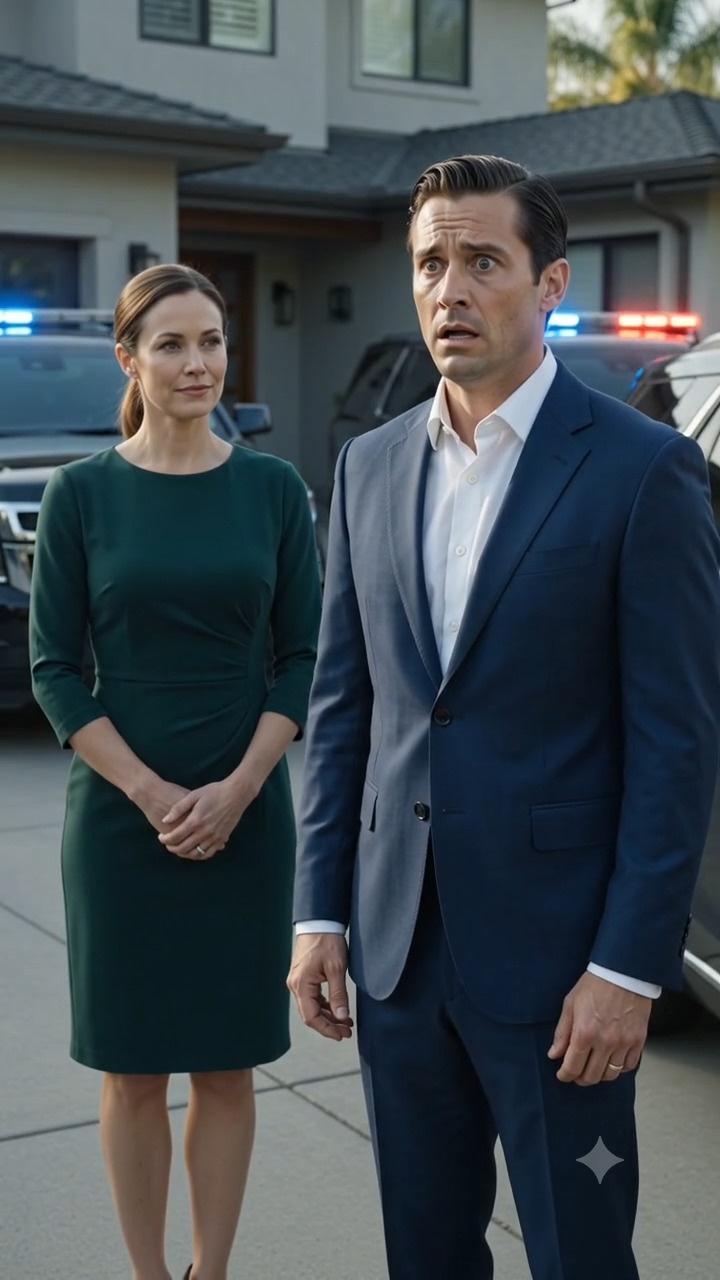
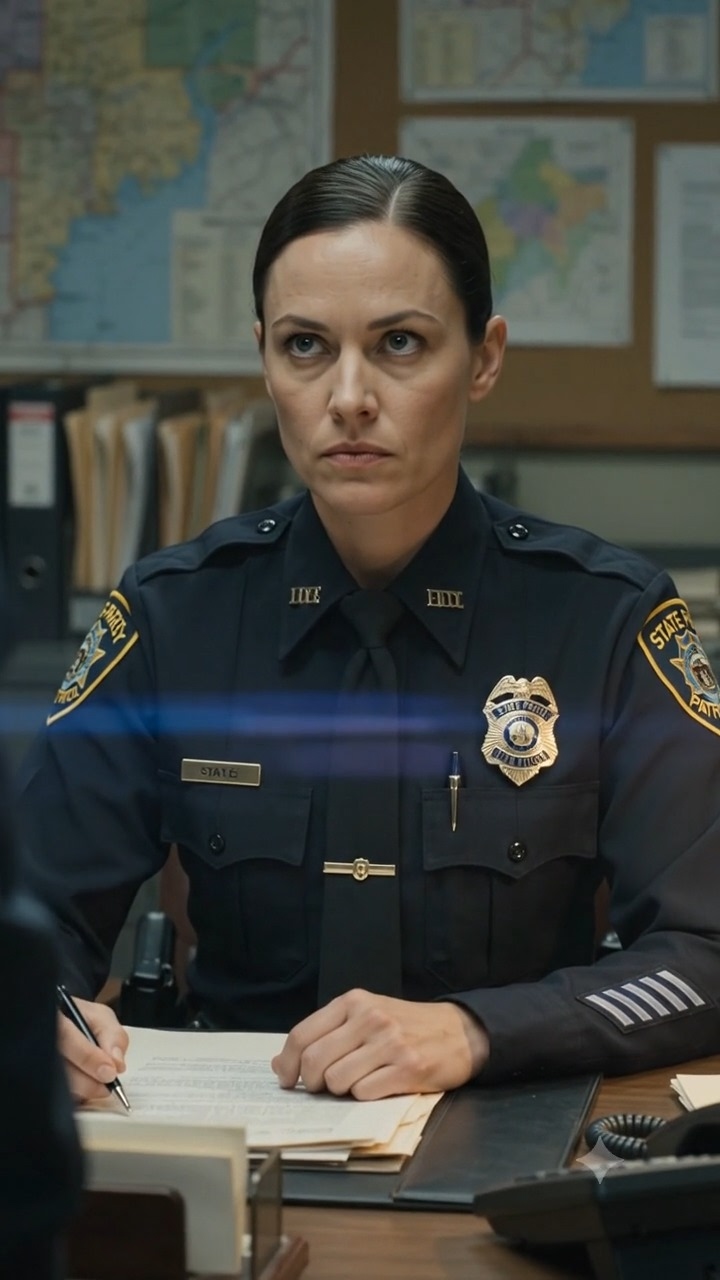
My father, Richard Mercer, was sentenced to twenty-two years in federal prison for corporate fraud, obstruction of justice, and conspiracy to commit reckless endangerment resulting in great bodily harm. Given his age and his heart condition, it was a life sentence.
My sister, Melissa, took a plea deal: eight years in a medium-security facility for her role in organizing the logistics of the abandonment and the fraudulent power of attorney filings.
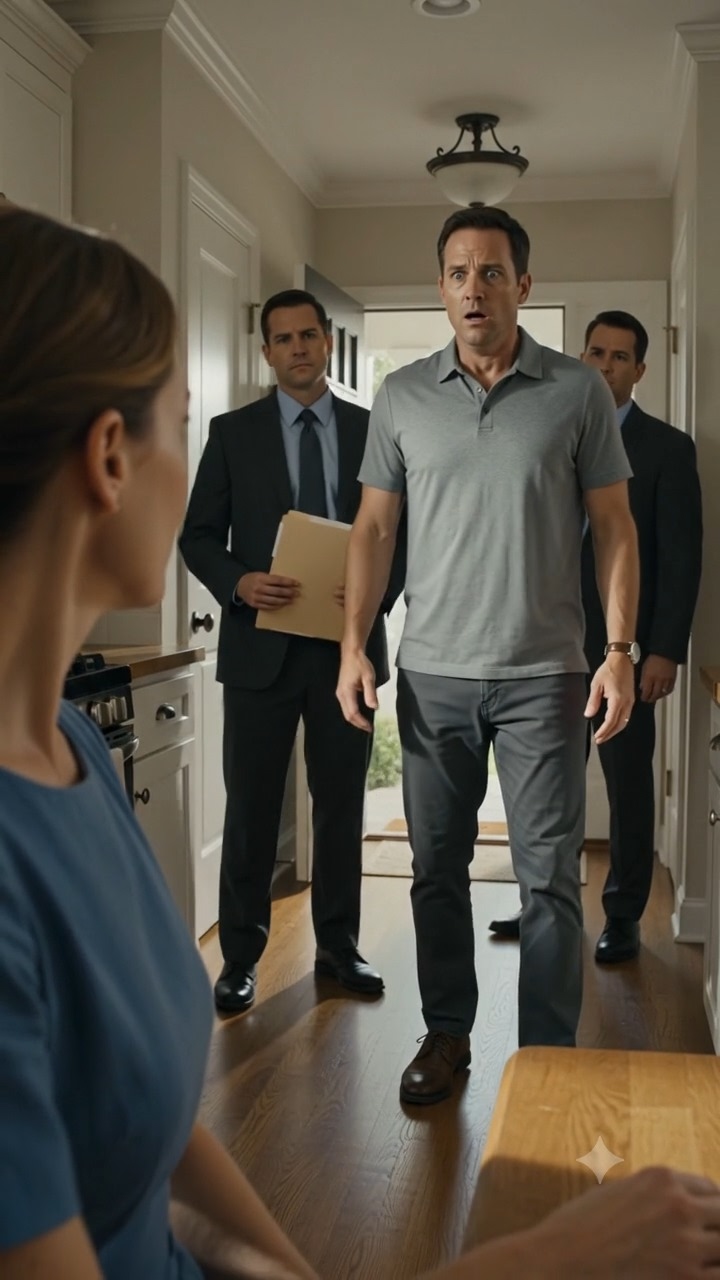
Troy received four years probation and five hundred hours of community service after testifying against the rigging crew they had hired to haul the original cabins away.
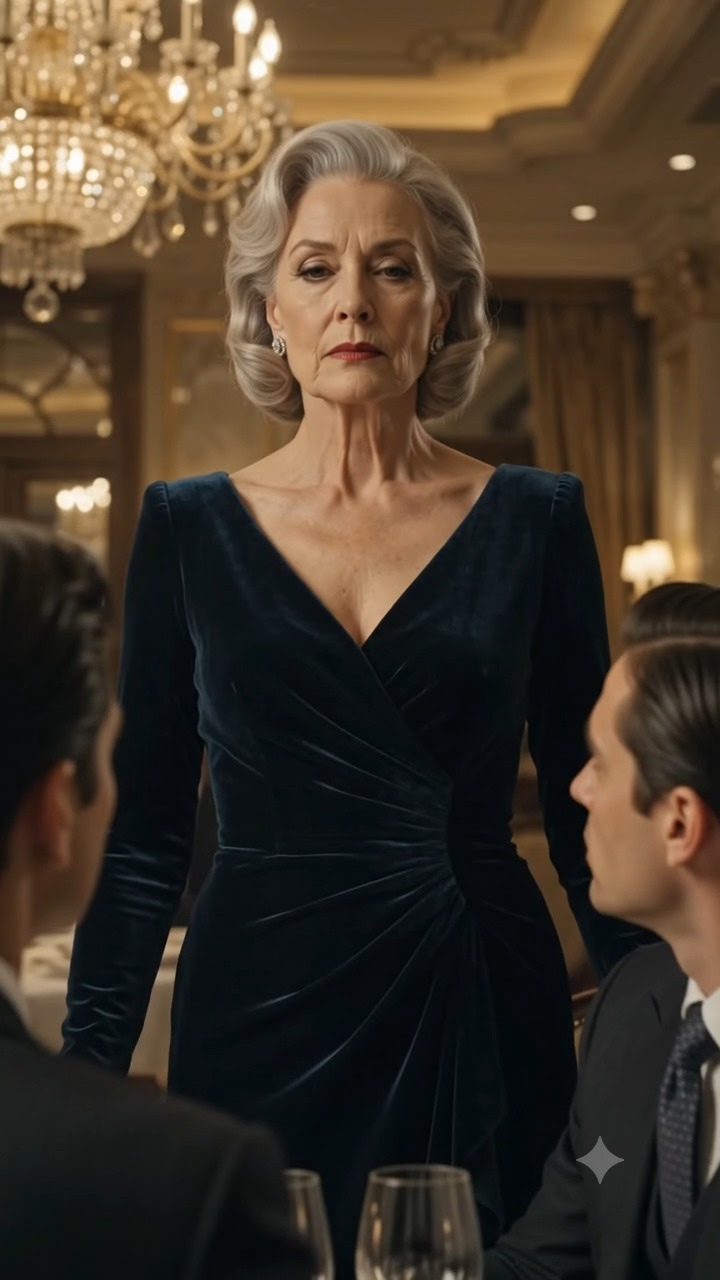
My mother, Elaine, was never charged with a violent crime, but the civil courts stripped her of every asset she owned to satisfy the restitution judgment awarded to Noah’s trust. She now lived in a small, one-bedroom apartment in Pueblo, living off a minimal state pension, abandoned by the high-society friends who had once filled her living room.
Mercer Timber was liquidated under Chapter 7 bankruptcy. The proceeds—nearly twenty-eight million dollars—were placed into a court-supervised trust for Noah’s college education and future life.
I didn’t keep a single dollar for myself.
I didn’t want their money. It smelled of rot.
“Dad!”
I turned around.
Noah stepped out onto the porch, wearing a thick down jacket, wool mittens, and a pair of heavy winter boots. He was ten-and-a-half now. He had grown three inches in the past year. The hollow look in his cheeks was gone, replaced by the rosy, healthy flush of a boy who spent his afternoons cutting firewood and tracking elk paths through the snow.
“You ready?” he asked, holding up a small wooden box he had carved himself in his school woodshop class.
“I’m ready, buddy,” I said.
We walked down the wooden steps together, our boots crunching through the three inches of fresh powder that covered the clearing.
We walked past the spot where the old cabins had been. The state forestry department had helped me reseed the ground, and small, green pine saplings were already pushing up through the white blanket, claiming the earth back from the heavy machinery that had once torn it open.
We stopped at the edge of the clearing, right beside the large, ancient pine tree where my mother had once nailed her note.
The nail was still there, embedded deep in the bark, rusty and bent.
Noah knelt down in the snow. He opened his wooden box, pulled out a small, framed photograph of his mother, Claire, and set it against the base of the pine tree. Then he took a handful of wild wildflower seeds we had dried during the summer and scattered them around the trunk.
“Do you think she knows?” Noah asked, looking up at me, his eyes clear and blue, untouched by the fear that had once consumed him in these woods.
“She knows,” I said, putting my hand on his shoulder. “She knows we survived.”
“Are we ever going back to the city, Dad?”
I looked around us.
The mountains stood tall and white against the sky—indifferent, brutal, but honest. They didn’t lie. They didn’t pretend to be something they weren’t. If you respected them, they gave you shelter. If you ignored them, they broke you. They were the only real thing left in a world full of people who traded their souls for glass towers and paper money.
“No, Noah,” I said, pulling him close as the mountain wind whistled through the high branches above us. “This is our home now.”
He smiled—a real, deep, unforced smile that reached all the way to his eyes.
We turned and walked back toward our cabin, leaving our footprints side by side in the snow, knowing that this time… nobody was coming to erase them.
Orther Post