CHAPTER 1: The Ashes of Arrogance
The heavy wooden doors of Saint Jude’s Chapel seemed to seal the room in a suffocating vacuum. The soft organ music had long faded, replaced by the heavy, rhythmic breathing of forty hardened men standing at military attention.
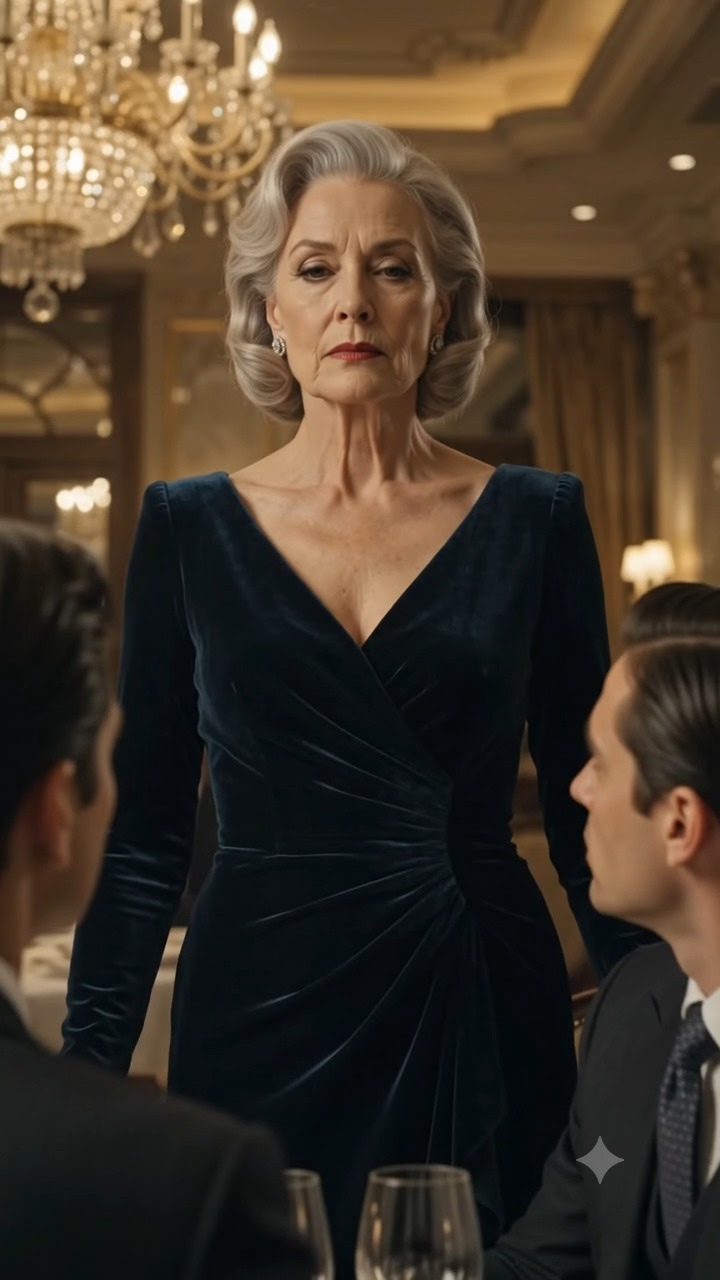
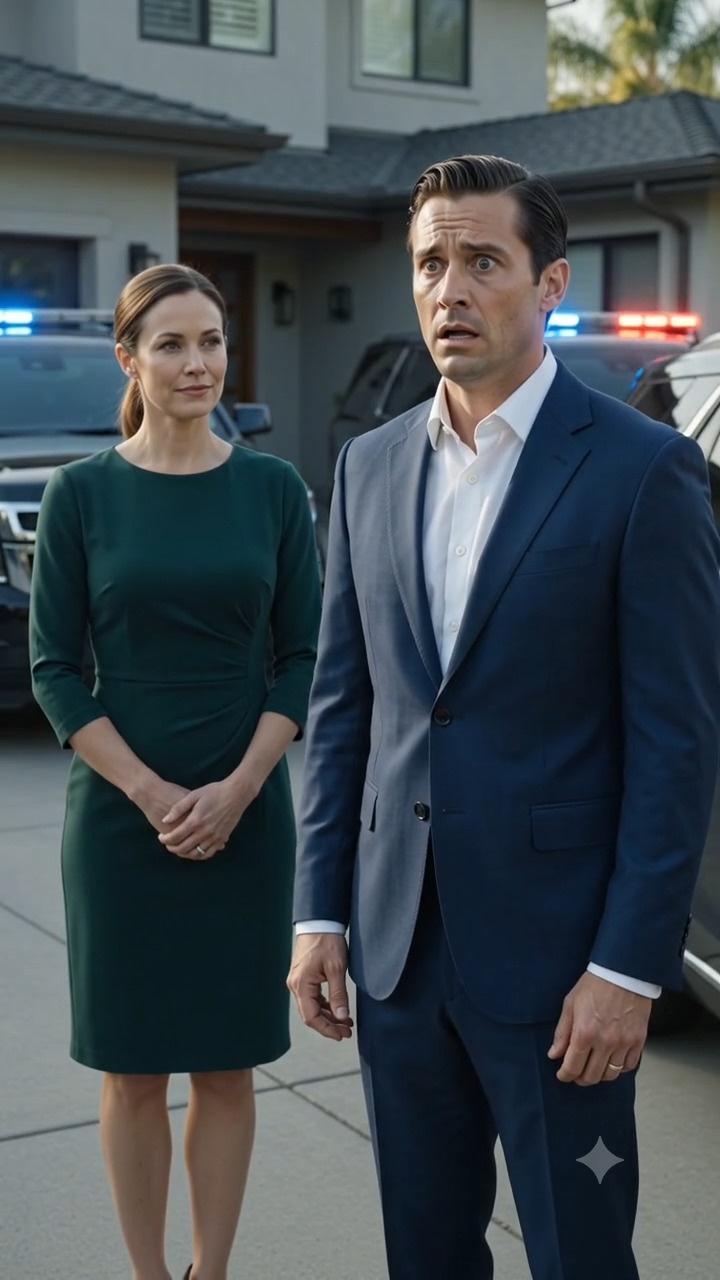
My mother’s face drained of every ounce of color. The carefully applied blush on her cheekbones now looked like clown paint against her suddenly ashen skin. Beside her, my father looked as if he had been struck by lightning. His hand, which had spent thirty years signing multi-million-dollar construction contracts and pushing away anyone he deemed beneath him, trembled as he clutched the edge of the velvet pew.
“Falsified?” my father choked out, his voice a pathetic squeak compared to the booming tone he usually reserved for waiters, contractors, and me. “There’s been a mistake. I am Arthur Bennett. My firm handles major municipal infrastructure. We… we don’t falsify documents.”
The lead investigator from the State Fire Marshal’s Office, a stoic man named Officer Miller, didn’t flinch. He didn’t care about the tailored Italian suit my father wore, nor did he care about the diamond necklace glittering around my mother’s neck.
“Mr. Bennett,” Officer Miller said, his voice dropping into a chillingly calm register that cut through the silence like a scalpel. “Three months ago, a warehouse in the industrial park caught fire. The sprinkler system failed to activate because the main supply valves were fraudulently certified as fully operational during last year’s mandatory inspection. That building was developed by Bennett Construction. Two night-shift workers barely escaped with their lives.”
A murmur rippled through the pews. My mother’s high-society friends—the women who had spent the last eight months nodding in agreement whenever she complained about her daughter marrying a “glorified blue-collar laborer”—began shifting uncomfortably. A few of them pulled their silk shawls tighter around their shoulders, as if trying to distance themselves from the radioactive couple sitting in the last pew.
“This is ridiculous!” my mother snapped, trying to summon her usual reign of terror, though her voice cracked at the edges. “This is our daughter’s wedding day! Whatever bureaucratic misunderstanding you have can wait until Monday morning at our attorney’s office. How dare you interrupt an private event with these baseless accusations?”
“It’s not a misunderstanding, Mrs. Bennett,” Chief Hayes interrupted smoothly, his deep baritone rolling over her sharp screech. He hadn’t moved an inch from where he stood. “In fact, the Fire Marshal’s office didn’t come here on a whim. They’ve been auditing those records for six months. Do you know who tipped them off about the discrepancy in those safety reports?”
My mother glared at Chief Hayes, her eyes darting frantically. “Noah,” she whispered, the name dropping from her lips like poison. “He did this. He framed us! He knew he wasn’t good enough for our family, so he tried to tear us down!”
Chief Hayes let out a cold, breathy laugh. It was a sound devoid of humor, forged in decades of dealing with arrogant people who thought money made them invincible against fire, physics, and the truth.
“Captain Carter didn’t frame you, ma’am,” Chief Hayes said quietly. “Captain Carter was the officer on duty the night that warehouse went up. He was the one who crawled through four hundred degrees of toxic smoke to pull those two night-watchmen out of the furnace your company built. When he was inside, he noticed the inspection seals on the main risers were forged. He reported the safety violation to protect future crews. He was doing his job. He had no idea your husband’s name was on the master shell company that owned the deed.”
The truth landed in the chapel like a physical blow.
My father sank back into the pew, his spine suddenly bowing as if a immense weight had been dropped onto his shoulders. My mother opened her mouth to spit another venomous defense, but the words died in her throat. She looked around the chapel.
To her left, the forty firefighters stood like an impenetrable wall of blue and gold. Their faces were carved out of stone. To her right, her fair-weather socialite friends were staring at her not with sympathy, but with horror and disdain. And at the front of the church stood the daughter she had humiliated, holding a state governor’s proclamation of heroism awarded to the man she had called a “nobody.”
“Mr. Bennett,” Officer Miller said, stepping closer and producing a pair of steel handcuffs. “You and your Chief Operating Officer are required to come with us to the state precinct for formal questioning. We have a warrant for the seizure of your office servers. We can do this quietly in the vestibule, or we can do it right here in front of your guests.”
My father stood up slowly, as if he had aged twenty years in twenty seconds. He didn’t look at my mother. He didn’t look at the investigators. For the first time all day, his eyes drifted toward me, standing in the middle of the aisle in my white dress, holding my lilies.
“Clara…” he whispered, his voice trembling. “I…”
“Don’t,” I said.
It was the only word I had spoken since the doors flew open. It wasn’t shouted. It wasn’t spoken in anger. It was just final. A solid stone wall dropped between my past and my future.
My father swallowed hard, bowed his head, and stepped out of the pew. Officer Miller guided him toward the side entrance of the church, out of the public eye. My mother made a desperate move to follow him, but the second investigator extended an arm, blocking her path.
“You’re not under arrest yet, Mrs. Bennett,” the officer said coolly. “But I suggest you retain legal counsel immediately. Your name is listed on several of those corporate filings.”
My mother stood alone in the back pew. The seat next to her was empty. Her husband was being led away in restraints. Her high-society peers were whispering behind their French manicured hands. And halfway down the aisle, her daughter was looking at her not with hatred, but with absolute indifference.
Chief Hayes looked at my mother one last time. He didn’t gloat. He simply adjusted his dress cap, turned his back on her, and looked down the long, flower-draped aisle toward the altar.
“Now then,” Chief Hayes announced, his voice echoing off the stained-glass windows and vaulted ceilings. “We have a wedding to finish.”
Orther Post