
Part 2: The Fall of the matriarch
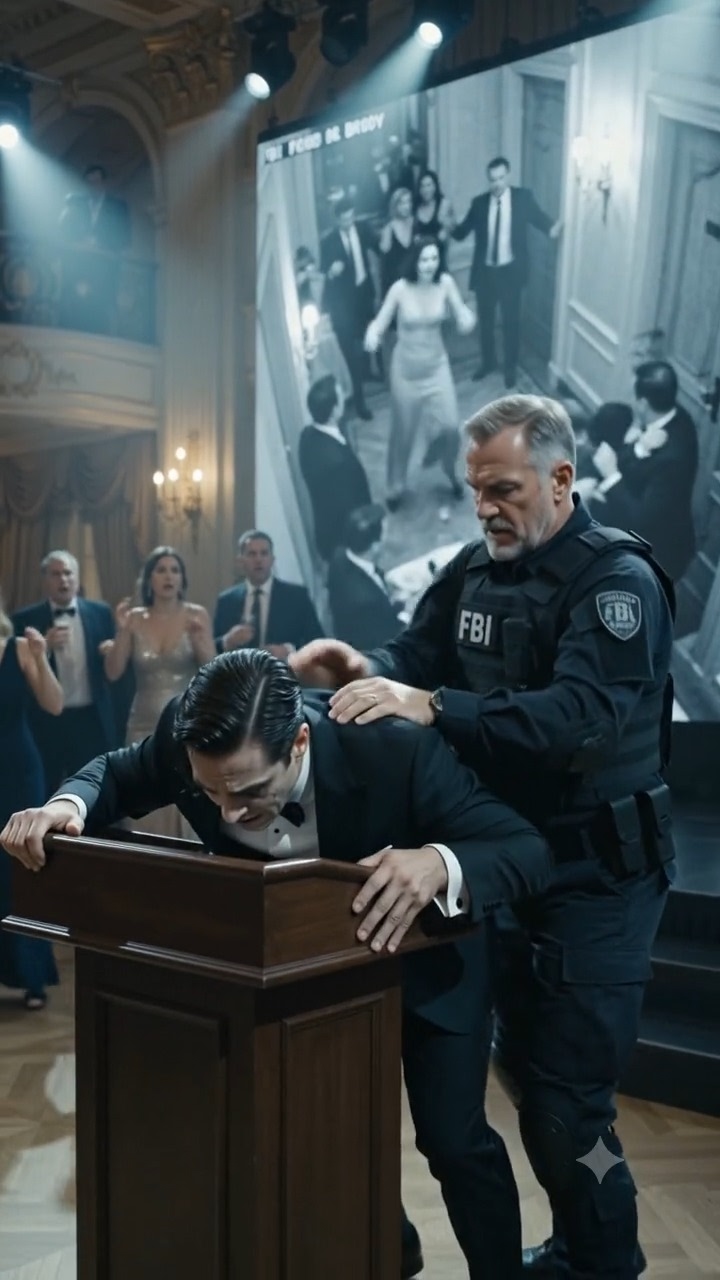
The silence that blanketed the Ritz-Carlton ballroom was no longer uncomfortable; it was absolute, suffocating, and heavy with the scent of an empire collapsing in real time.
Celeste stood frozen. The heel of her six-inch Christian Louboutin pumps remained planted mere inches from where my Purple Heart had rested moments ago. Her manicured hands, which had spent fifty years commanding boardrooms, charity galas, and servants, were trembling violently as she clutched the papers Caleb had handed her.
“This is a forgery,” she whispered, her voice cracking, stripped of its practiced aristocratic gravel. She looked around the room, desperately seeking an ally among the two hundred elite guests she had cultivated like prize horses. “Julian? Arthur? Tell him this is impossible! My father’s will was ironclad!”
Julian Vance, the managing partner of the city’s premier estate law firm and a man who had dined at Celeste’s private table every Sunday for a decade, slowly took a step backward into the shadows of a marble pillar. He didn’t meet her eyes. He merely adjusted his silk bowtie and stared intently at his own polished Oxfords.
Beside him, Arthur Sterling, the chief financial officer of Harrington Enterprises, took a long sip of his vintage champagne, set the crystal flute down on a passing waiter’s tray, and quietly slipped out the side exit.
They knew. They had known for years.
“They won’t help you, Mother,” Caleb said softly. His tone wasn’t malicious or vengeful; it carried the cold, detached finality of a judge reading a sentence to a condemned prisoner. “The board was informed of the succession transfer three years ago. The only person kept in the dark was you. Grandfather knew your vanity would drive the family business into bankruptcy within a decade if you had actual operational control. So he created a blind trust. You were given a generous stipend, a title, and the illusion of power. You were allowed to play hostess while I ran the empire.”
“I raised you!” Celeste shrieked, the mask completely slipping now. The calculated, icy socialite vanished, replaced by a desperate, cornered animal. She pointed a trembling, diamond-encrusted finger at Caleb, then whipped it toward me. “I built this family’s reputation! And you throw it away for her? A nobody? A beggar in a military uniform who doesn’t even have the decency to wear silk to a black-tie event?”
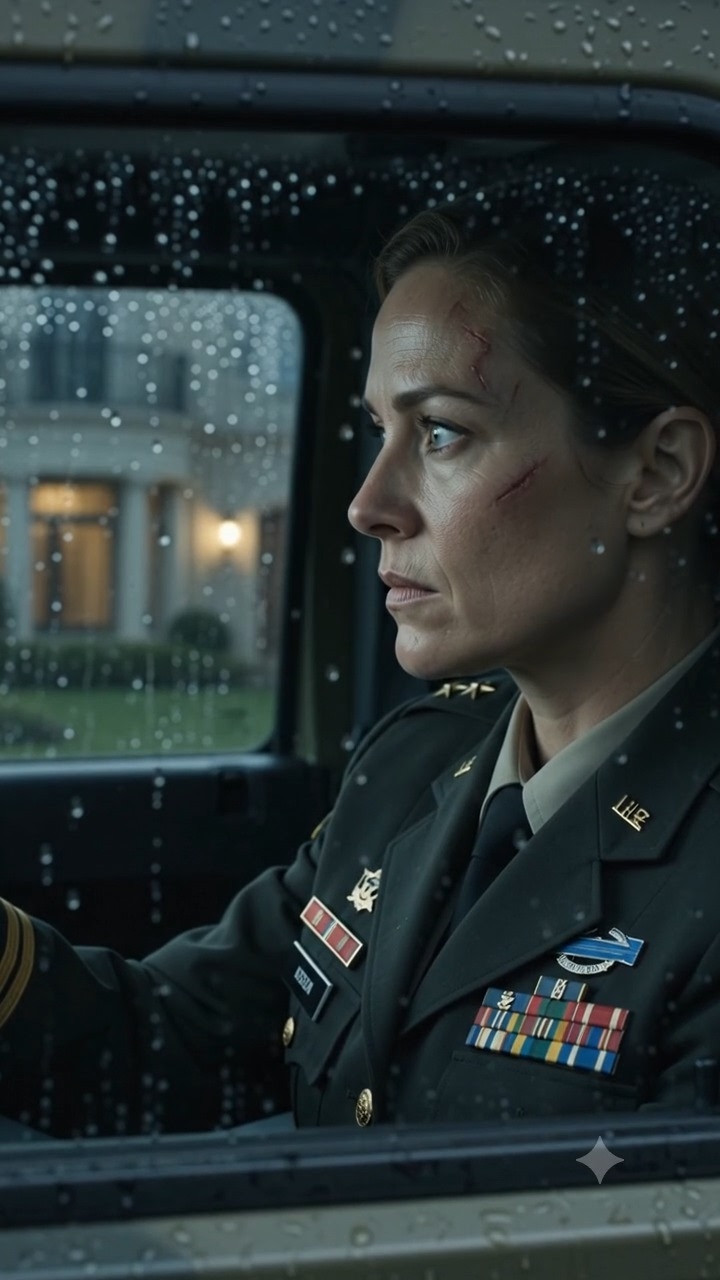
I stepped forward, matching Caleb’s stride. I didn’t reach for my husband’s hand, nor did I flinch under her venomous glare. I adjusted the lapels of my Army dress blues, feeling the solid, newly pinned weight of my medals against my ribs.
“This uniform wasn’t bought with your family’s blood money, Celeste,” I said, my voice cutting through the silent room with the crisp clarity of a parade-deck command. “It was earned. Every stitch, every ribbon, every piece of brass. You called me hired help. But the men and women who wear this uniform stand guard so people like you can play dress-up in ballrooms and look down on the world.”
A faint murmur rippled through the back of the room. I caught the eye of an elderly gentleman standing near the orchestra—a retired three-star general whom Celeste had invited purely for political leverage. He wasn’t looking at Celeste. He was staring at me, his hand raised in a slow, solemn, and quiet salute. I gave him a subtle nod back.
“Get her out of my sight,” Caleb told the security team.
The lead security officer, a burly man named Marcus whom I recognized from my brief stint at the hotel’s tactical coordination brief earlier that month, stepped forward. He looked at Celeste with professional indifference. “Ma’am, please step away from the microphone and follow us peacefully. If you resist, we will be forced to hand you over to the local authorities for trespassing.”
“Do you have any idea who I am?!” Celeste screamed as Marcus firmly, yet respectfully, cupped her elbow. “I am Celeste Harrington! I own this city! I will buy this hotel and fire every single one of you!”
“Actually, Mrs. Harrington,” Marcus replied quietly, “Mr. Caleb Harrington owns this hotel. And his orders are very clear.”
As the security detail began escorting her down the central red carpet, Celeste began to thrash. Her golden gown, worth more than a soldier’s annual base pay, caught on the edge of a mahogany display table, ripping loudly along the seam. The sound was horribly poetic.
She looked back over her shoulder, her mascara running in dark, frantic tracks down her cheeks. Her eyes locked onto mine with pure, unadulterated hatred. “You think you’ve won, Captain?” she spat out, her voice echoing off the high vaulted ceilings as she was dragged toward the grand double doors. “You think you can just march into my world and tear it down? I will destroy you! I will take every dime Caleb has and use it to burn your career to the ground!”
“You don’t have any dimes left, Celeste,” Caleb called out after her, his voice absolute. “Protocol Zero means freezing every asset associated with your name. Your credit cards were declined thirty seconds ago. The lease on your Bentley was revoked. The locks on the estate are being changed as we speak. You have your handbag, your phone, and the clothes on your back. I suggest you call a cab before your phone service is terminated at midnight.”
The heavy oak doors of the Ritz-Carlton ballroom slammed shut behind her, cutting off her final, hysterical shriek.
Inside, the silence lingered for three agonizing beats.
Two hundred of the most powerful people in the state stood like statues, terrified to breathe, terrified to move, and utterly uncertain of what to do next.
Caleb turned back to the crowd. He walked calmly to the center stage, picked up the fallen microphone from the podium, and tapped it twice. The sound hummed through the crystal audio system.
“Ladies and gentlemen,” Caleb announced, his expression unreadable. “Tonight was meant to be a celebration of Harrington Capital’s annual philanthropic foundation. That foundation will continue its work. However, effective immediately, fifty percent of all profits from Harrington Capital will be redirected to the Fallen Soldiers and Veterans Assistance Trust.”
A collective gasp swept through the room.
Caleb turned his gaze directly toward me. His eyes softened, the icy wall he had built to face his mother melting into pure, unabashed pride and love.
“My mother asked if anyone should point my wife toward the kitchen,” Caleb continued, his voice ringing loud and clear across the ballroom. “I would like to correct her. My wife, Captain Sarah Miller-Harrington, has spent the last seven months in a combat zone leading soldiers, saving lives, and protecting the very freedoms that allow every person in this room to enjoy their wealth. She doesn’t belong in the kitchen. She belongs in the halls of honor.”
He extended his hand toward me.
I took a breath, lifted my chin, and walked up the steps to the stage. As I reached his side, the retired general in the back began to applaud. Slowly at first. Then, a state senator joined in. Then the CEO of a major tech firm. Within ten seconds, the entire room erupted into a deafening, standing ovation.
People were clapping, some were crying, and the quartet, finally shaking off their shock, picked up their bows and began playing the opening notes of a majestic, soaring symphony.
Caleb leaned down to my ear as the applause thundered around us. “You okay, Captain?”
I looked down at my dress blues, at the medals he had hand-cleaned and pinned back onto my chest. “I’m fine, Caleb. But you… you just evicted your mother in front of the entire high-society board.”
Caleb smiled—a real, genuine smile that reached his eyes for the first time in years. “No, Sarah. I just cleaned house. Now, let’s go get your missing luggage.”
Orther Post


Silent Medals - Loud Empire, The Dress Blues Retaliation
5
Chapters