
Chapter 5: The Final Order
Six months later.
The high-ceilinged courtroom of the Federal District Court was packed to capacity. The air was thick with tension, filled with reporters, military personnel, and curious onlookers.
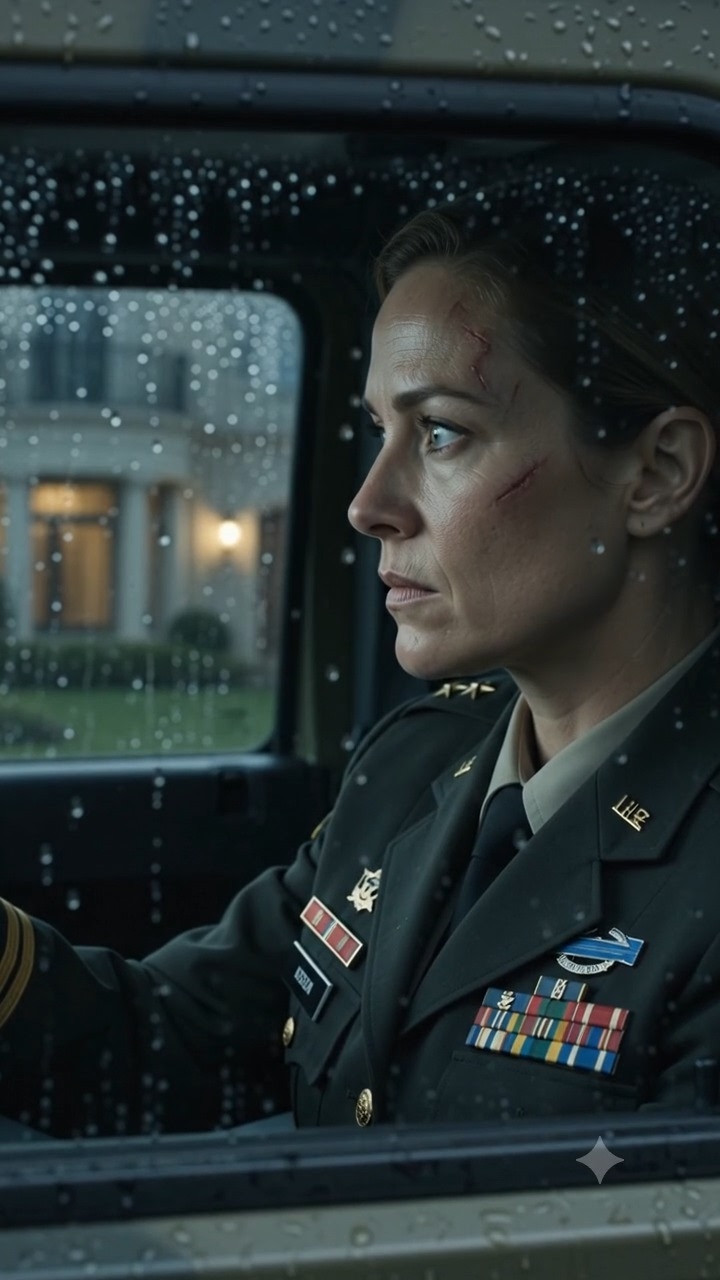
I sat in the front row of the prosecution’s gallery, wearing my uniform once again. Beside me sat Marcus.
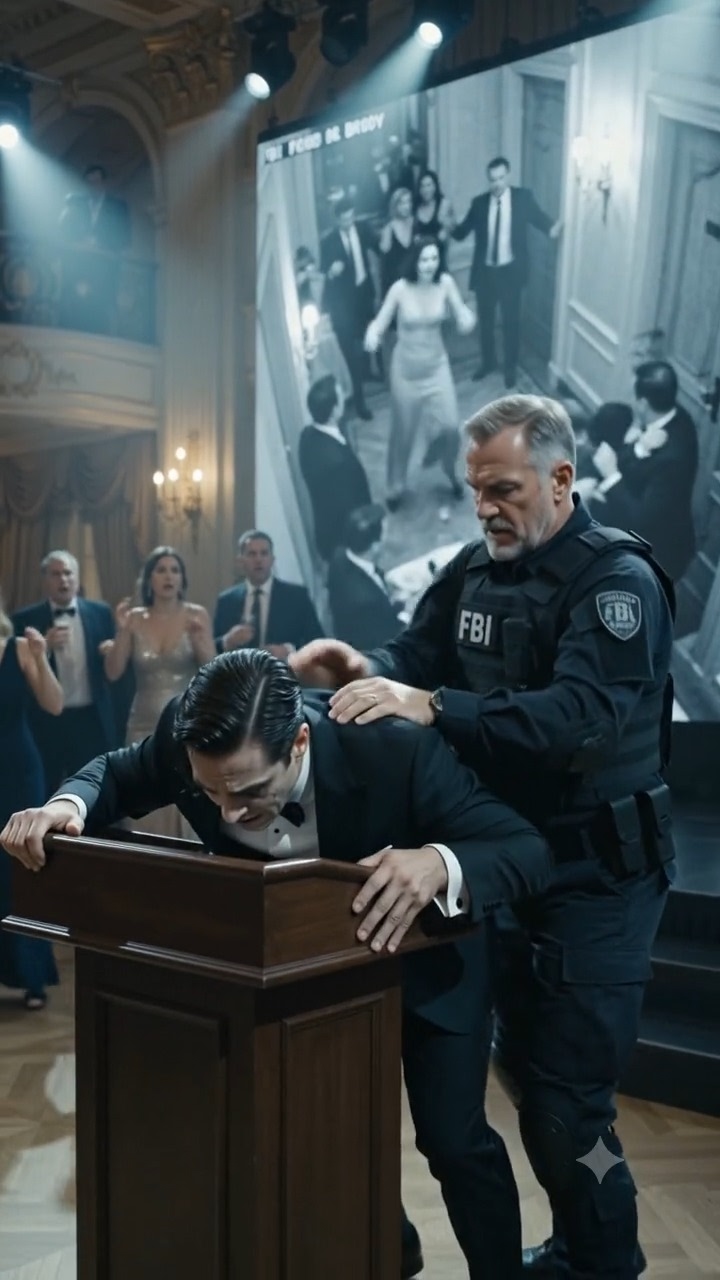
At the defense table sat Grant Hart. In six months, he had aged twenty years. His posture was slumped, his hair thinning, his expensive suit replaced by a drab, orange federal inmate jumpsuit. He didn’t look at the crowd. He didn’t look at the media. And most of all, he avoided looking at me.
Behind him, sitting on the public benches, were my parents. They looked shattered. My mother was dressed in cheap, off-the-rack clothes, her face hollow and drawn. My father sat beside her, his shoulders hunched, staring blankly at the floor. They had lost everything—their home, their reputation, their life savings, and the social standing they had spent a lifetime chasing.
The judge slammed his gavel down, bringing the courtroom to an absolute hush.
“In the matter of the United States v. Grant Hart,” the judge announced, his voice echoing off the mahogany walls. “The defendant has been found guilty on all counts: First-Degree Attempted Murder, Aggravated Domestic Assault, Federal Financial Fraud, Wire Fraud, and Aggravated Identity Theft.”
The judge leaned over his bench, looking down at Grant with disgust.
“Mr. Hart, you acted with supreme cruelty and calculated arrogance. You took a woman who dedicated her life to defending this nation and attempted to break her body and mind for your own financial gain. You showed no remorse until the moment your money was taken from you.”
The judge turned a page in his file.
“On the charges of attempted murder and aggravated assault, I sentence you to twenty-five years in federal prison. On the charges of financial fraud and identity theft, I sentence you to an additional fifteen years, to be served consecutively. You will serve forty years without the possibility of early parole.”
A loud gasp echoed through the courtroom. Forty years. Grant slumped forward, his forehead touching the cold wooden table as he began to sob uncontrollably. The man who thought he was untouchable was now facing the reality that he would be an old, forgotten man before he ever saw the outside of a prison wall again.
The judge banged his gavel one final time. “Court is adjourned.”
Federal marshals stepped forward, grabbing Grant by the arms and hauling him to his feet. As they led him toward the side door that led to the holding cells, he turned his head, his tear-streaked face looking at me one last time.
He didn’t say a word. He didn’t have to. The terror in his eyes was answer enough.
I stood up slowly, keeping my back straight, feeling no pain in my ribs—only the clean, unyielding strength of survival.
As I walked down the aisle toward the exit, my parents stepped into my path.
My mother reached out a trembling hand, her eyes filled with desperate tears. “Evelyn… please. Look at us. We have nothing left. They’re taking our apartment next week. Your father is sick… please, Evelyn, you’re our daughter…”
I stopped. I looked at her. I looked at my father, who couldn’t even raise his eyes to meet mine.
For years, I had craved their approval. I had endured their emotional neglect, paid their bills, and allowed them to use me, all in the desperate hope that one day they would love me the way parents were supposed to love a child.
Now, looking at them, I felt nothing. No anger. No hatred. Just absolute indifference.
“You told me a soldier is supposed to be tough,” I said, my voice quiet, clear, and absolute. “You were right. A soldier knows when a position is lost. A soldier knows when to abandon a dead cause.”
I stepped around them, refusing to glance back as my mother began to weep behind me.
I walked out of the courtroom doors and stepped into the bright, warm sunlight of a new day. The crisp afternoon air filled my lungs—deeply, fully, without pain.
Marcus walked up beside me, handing me my military cover. “Where to now, Captain?”
I put on my hat, adjusting the brim over my eyes, feeling the weight of the silver bars on my shoulders—not as a burden, but as a reminder of who I truly was.
“Back to work, Major,” I said, a clear, confident smile breaking across my face. “My unit has a deployment coming up. And I have a team to lead.”
Orther Post


MEDALS & MAYHEM: THE CAPTAIN'S RECKONING
6
Chapters