
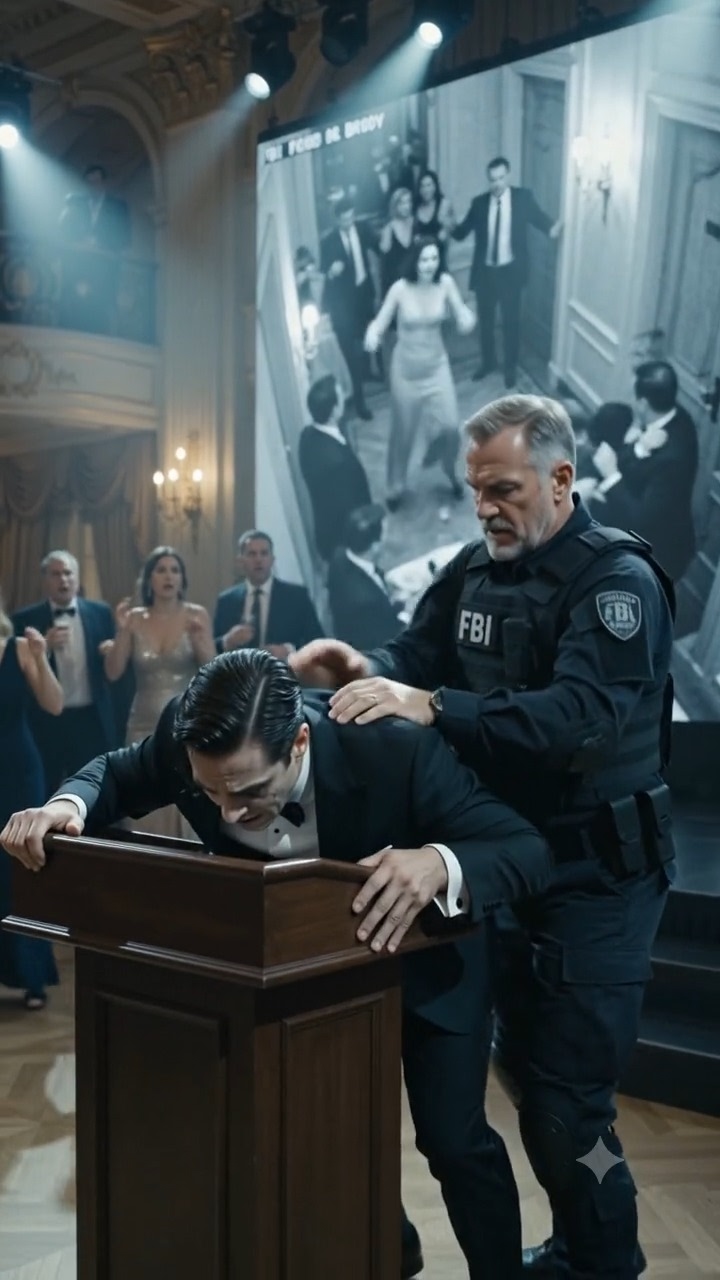
Chapter 1: The Tactical Withdrawal
The quiet hum of the Intensive Care Unit had always reminded me of the staging areas in Bagram—a deceptive lull before a thunderstorm. My chest throbbed with every shallow breath. The chest tube inserted between my ribs acted as a brutal, physical reminder of Grant’s boot, but my mind had never been clearer.
In tactical warfare, when an enemy overextends their position thinking they have achieved complete victory, you do not launch a direct, emotional counter-attack. You sever their supply lines. You isolate their command structure. You let the weight of their own arrogance crush them from within.
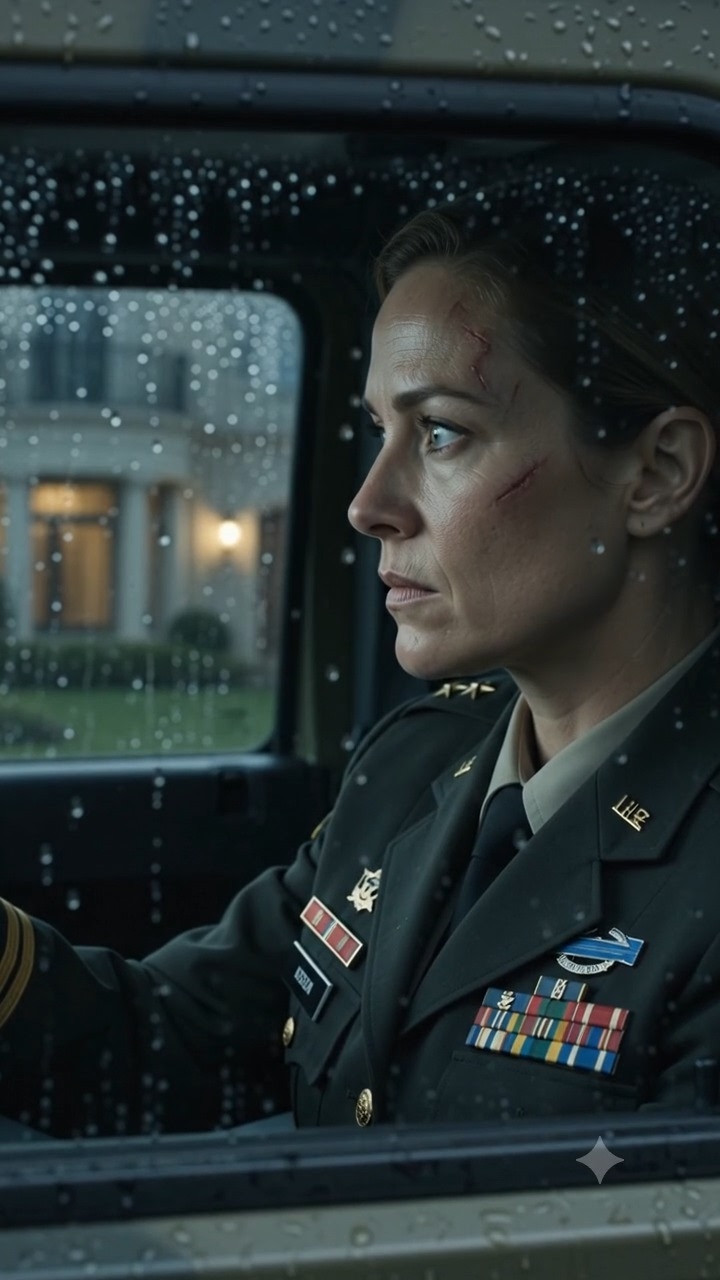
Sitting in the chair beside my bed was Major Marcus Vance, a senior legal officer from the Judge Advocate General’s Corps and a trusted friend who had served alongside me in Eastern Europe. He didn’t look at me with pity. He knew me better than that. He looked at me like a commander reviewing a casualty report before authorising a full-scale strike.
“You’re sure about this, Evie?” Marcus asked quietly, his eyes tracking the red numbers flickering on my vitals monitor. “Once I execute these filings, there is no turning back. Your parents’ loan will be voided by morning. Grant’s assets will be frozen by federal investigators before lunch.”
“Do it, Marcus,” I said, my voice raspy and choked with blood from the trauma in my lung. “They think I’m broken. They think because I wore this uniform, I am bound to suffer in silence to protect their comfort. They’re about to learn what this uniform actually taught me.”
Marcus nodded once, opened his encrypted military laptop, and began entering the authorization codes.
For twelve years, my parents had treated my military service as a convenient tool. When my father’s small logistics firm failed five years ago, he didn’t ask how my deployment in Syria was going; he asked if my federal credit rating could co-sign his business loans. When my mother wanted to elevate her social standing in the suburban enclave of Pine Crest, she used my decorated officer status to gain entry into elite charity circles, parading me around in my Service Dress Uniform like a prize pony while privately telling me I was too hardened, too masculine, and too difficult to love.
And then there was Grant.
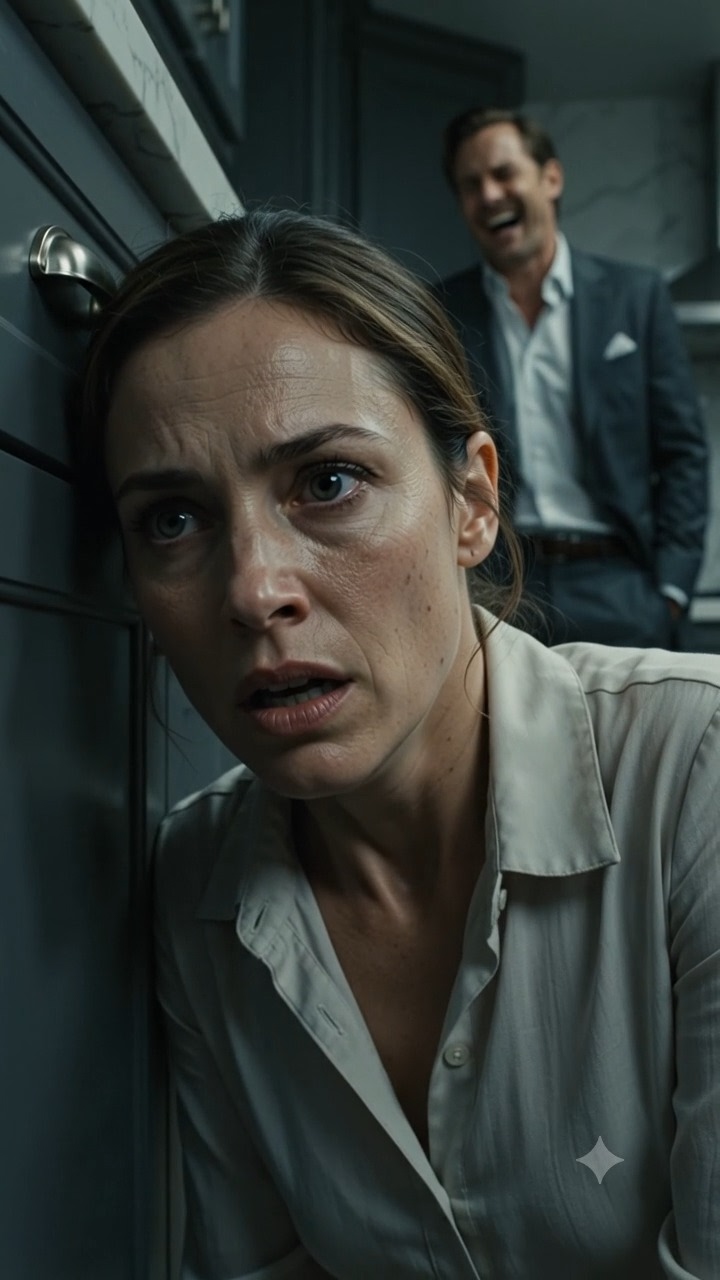
Grant Hart had built Hart Development on a foundation of sand, bravado, and my money. He had taken out a twelve-million-dollar construction line of credit using my family’s ancestral land—which I had foolishly put into a joint trust—as collateral. For years, every time he lost a bid or misused corporate funds, he took his frustration out on my body, convincing himself that because I didn’t fight back, I was weak.
He didn’t realize that I was holding back because I was trying to save a home that was already dead. Now, the home was gone. Only the war remained.
At 0200 hours, Marcus pressed the final key.
The first strike hit my parents’ bank account. The personal guarantee I had signed for their eight-million-dollar estate in the gated community of Harbor Point was officially revoked under the Service Members Civil Relief Act (SCRA) and federal fraud provisions. Because Grant had used my stolen credentials to sign off on secondary liabilities, my legal team flagged the entire transaction as high-risk identity theft originating from Grant’s IP address.
By 0230 hours, the automated systems at First National Bank flagged the transaction. A systemic revocation triggered an immediate recall of all pending wire transfers.
At 0315 hours, Marcus initiated the forensic audit. Through my military clearance level, we bypassed standard civil delays, lodging a formal notice of financial exploitation against an active-duty military officer with the Treasury Department’s Financial Crimes Enforcement Network (FinCEN). Every shell company Grant had created—every offshore account in the Caymans he used to hide his embezzled eighty thousand dollars—was flagged for immediate freeze.
I lay back against the coarse hospital pillows, closing my eyes as the morphine finally began to dull the sharp edges of my broken ribs. Downstairs, in the waiting room, Grant was sleeping peacefully on a couch, pretending to be the worried, devoted husband to the nurses. In their mansion, my mother and father were probably sleeping in silk sheets, dreaming of the housewarming party they would host on my dime.
They thought I was giving up. They thought my silence was submission.
They didn’t know that in the dark, the artillery had already been aimed, loaded, and fired.
Orther Post


MEDALS & MAYHEM: THE CAPTAIN'S RECKONING
6
Chapters