CHAPTER 2: The Shadows of the Past
Twenty-four hours passed in a blur of morphine, blood pressure checks, and the horrifying silence of a nursery room that sat empty in our house thirty miles away.
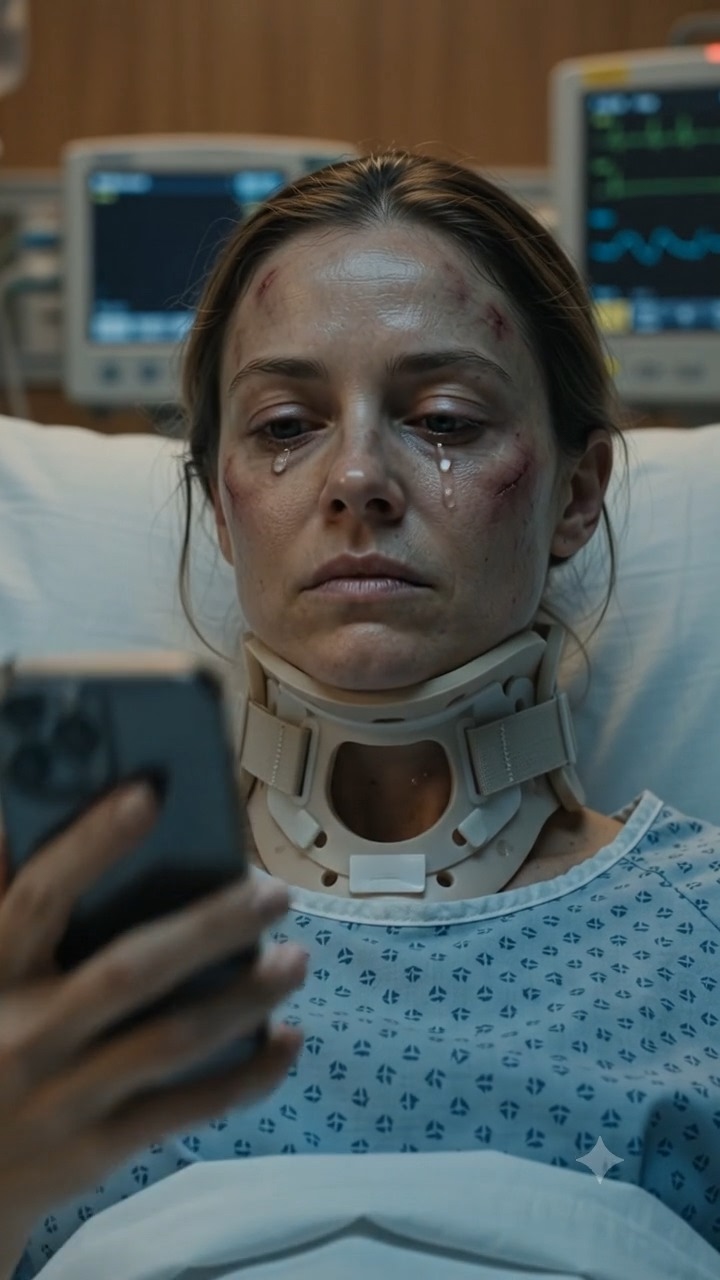
By the second morning, the heavy pain medications had begun to wear off, leaving behind a deep, aching throbbing in my core that reminded me of what had been ripped away from me. I was sitting in a wheelchair, a thick blanket wrapped around my waist, as Nathan pushed me down the long, dimly lit corridor toward the Neonatal Intensive Care Unit.
The NICU was a room of low lights and high technology. The air smelled of antiseptic and ozone. Dozens of plastic incubators—clear, glass-like boxes—were lined up in rows, each containing a tiny life tethered to monitors by wires no thicker than shoelaces.
Nathan stopped my wheelchair beside Incubator 14.
Inside lay a tiny, fragile human being. He weighed less than five pounds. His skin was mottled pink and purple, and a clear plastic tube was taped to his mouth, rising and falling with the rhythmic, mechanical chug of a breathing machine. Tiny sensors were stuck to his chest, monitoring a heartbeat that fluttered wildly on the screen above him: 162 beats per minute.
“His name is Leo,” Nathan whispered, kneeling beside my chair and taking my hand. “I had to sign the birth certificate paperwork yesterday while you were in surgery. I hope… I hope that was okay. You always said you loved the name Leo.”
“Leo…” I breathed, pressing my fingertips against the warm acrylic plastic of the incubator. “Little lion.”
“He is a lion, Mrs. Hayes,” a quiet voice said from behind us.
I turned my head slowly. Standing behind us was Dr. Marcus Lin, the lead neonatologist. He had a warm, tired face and wore scrubs patterned with tiny cartoon animals.
“How is he, Doctor?” I asked, my voice barely stronger than a whisper. “Please… tell me the truth. Don’t shield me.”
Dr. Lin walked over and looked down at Leo. “Your son suffered severe perinatal asphyxia. Because the labor was forced to progress without medical assistance in a cold environment, the placenta began to abrade prematurely. He went without adequate oxygen for an extended period.”
Every word felt like a physical blow to my chest.
“The good news,” Dr. Lin continued, pointing to a brain-activity monitor hanging near the top of the bed, “is that the hypothermia protocol we initiated as soon as he arrived helped prevent widespread cellular damage to his brain tissue. His brain scans from this morning show good electrical activity. However, his lungs were severely inflamed from the fluid he inhaled. We are keeping him paralyzed and sedated so his body doesn’t fight the ventilator while his lungs heal.”
“Will he… will he be disabled?” I asked, bracing myself for the worst.
“It is too early to give a definitive prognosis,” Dr. Lin said honestly. “Infant brains possess incredible neuroplasticity. Right now, he is fighting. His vitals are stabilizing. The best thing you can do for him right now is talk to him. He knows your voice, Emily. He heard it for nine months.”
Dr. Lin reached over and adjusted a small door on the side of the incubator. “Put your hand inside. Put two fingers against his palm.”
With my heart beating in my throat, I slid my trembling hand through the rubberized portal. The air inside the incubator was warm and humid. I carefully reached past the tangled maze of IV lines and placed my index finger against the palm of Leo’s right hand.
Instantly, his tiny, translucent fingers curled around mine. His grip was surprisingly firm.
A fresh wave of tears cascaded down my cheeks. “I’m here, Leo,” I whispered, leaning my head against the plastic. “Mommy’s here. I’m so sorry. I’m so, so sorry I couldn’t protect you.”
“It wasn’t your fault, Em,” Nathan said softly, his hand resting heavy on my shoulder. “It was never your fault.”
As I sat there, holding my son’s tiny hand, the terrible history of my family seemed to loom over me like a dark storm cloud.
Growing up, I had always known that Madison was the gold child, and I was the extra piece that didn’t fit into Celeste’s grand design. Madison was beautiful, delicate, and played the violin. She was the daughter my mother paraded around the country club. I was quiet, bookish, and preferred painting in my room.
When I was sixteen, I won a statewide academic scholarship. Celeste didn’t throw a dinner party. She didn’t put a banner on the house. Instead, she took the college fund my father had set aside for me before he died and redirected it to pay for Madison’s private beauty pageants and elite finishing school in Switzerland.
“Madison has potential, Emily,” Celeste had told me back then, her voice devoid of warmth. “You’re smart enough to figure things out on your own. Madison needs the help.”
When I met Nathan in college, Celeste had disapproved of him instantly. Nathan wasn’t an heir to an oil fortune or the son of a senator; he was an architect, a man who worked forty hours a week drawing blueprints and wearing steel-toed boots on construction sites. But Nathan loved me with an intensity that terrified my mother. He saw me. He listened to me. He built a world with me where Celeste’s approval didn’t matter.
And that was my greatest sin in Celeste’s eyes: I had become happy without her permission.
When Madison announced her engagement to Julian Sterling—a corporate attorney whose family owned three country estates—Celeste declared that the wedding would be the “social event of the decade.” For six months, the family was consumed by silk swatches, five-tier cake tastings, and venue reservations.
When I announced my pregnancy three months later, Celeste hadn’t congratulated me. Her first words were: “You better not give birth anywhere near October fourteenth. That is Madison’s month.”
I had prayed my baby would arrive on his due date, late October. But labor doesn’t respect calendars.
“Emily?”
Nathan’s voice pulled me back from the dark memories. He was holding a ringing phone in his hand, his face set in a hard, dangerous line.
“Who is it?” I asked, letting go of Leo’s tiny hand with profound reluctance.
“It’s your brother-in-law. Julian,” Nathan said, his thumb hovering over the decline button. “He’s been calling me every twenty minutes for the past six hours.”
“Answer it,” I said, my voice hardening. “Put it on speaker.”
Nathan hesitated, then swiped his thumb across the screen and hit the speakerphone icon.
“Nathan!” Julian’s voice erupted through the tiny speaker, high-pitched, panicked, and echoing as if he were pacing in a large room. “Thank God you picked up! What the hell is going on over there?”
“Julian,” Nathan said flatly.
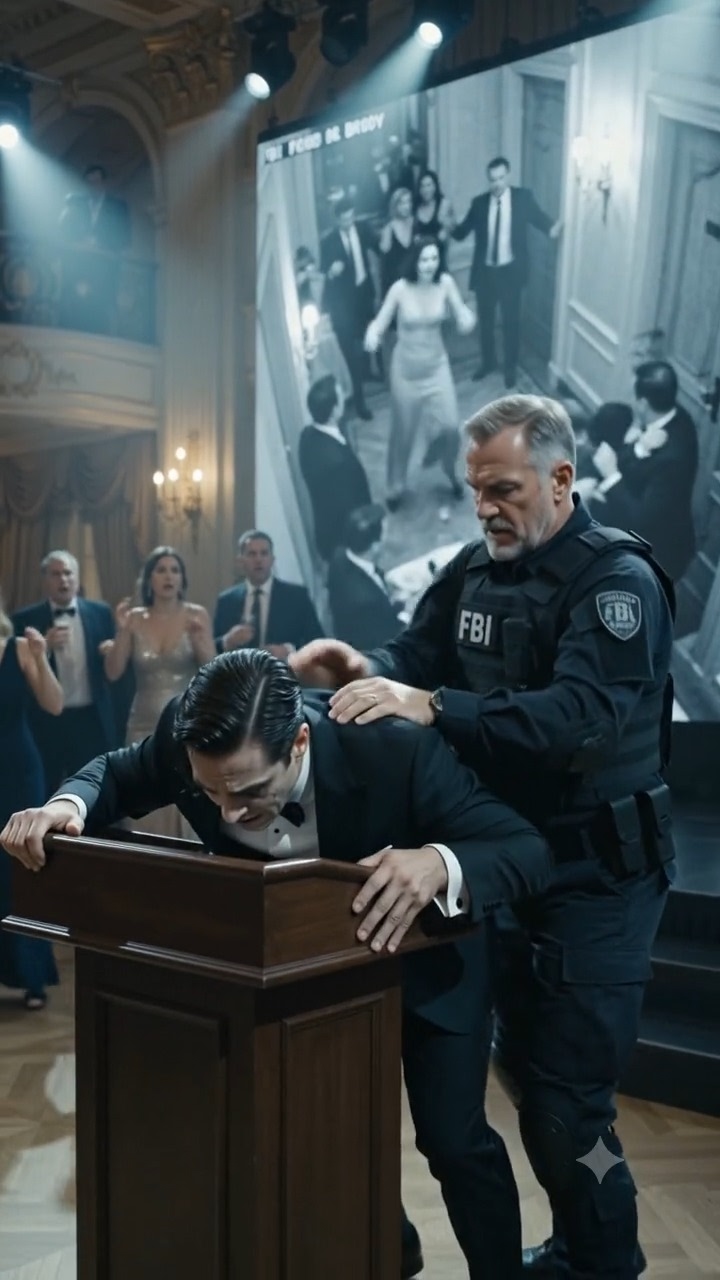
“Look, man, this entire situation is getting completely out of hand!” Julian yelled. “The local news just ran a story about a woman being arrested at the Blackwood Manor estate during a high-profile wedding! They didn’t publish names yet, but people are putting two and two together! My father’s firm handles high-yield corporate acquisitions! If his name gets dragged into a felony child endangerment investigation, it could destroy our firm’s reputation!”
I pulled the phone closer to my face. “Julian.”
The line went silent for three long seconds.
“Emily?” Julian’s voice dropped an octave, suddenly trying to sound sympathetic. “Emily… oh, God, how are you feeling? Look, what happened to you… it’s terrible. Truly terrible. But you have to understand, Celeste made a terrible judgment call under high stress. She’s an old woman, Emily! She can’t survive in a county jail!”
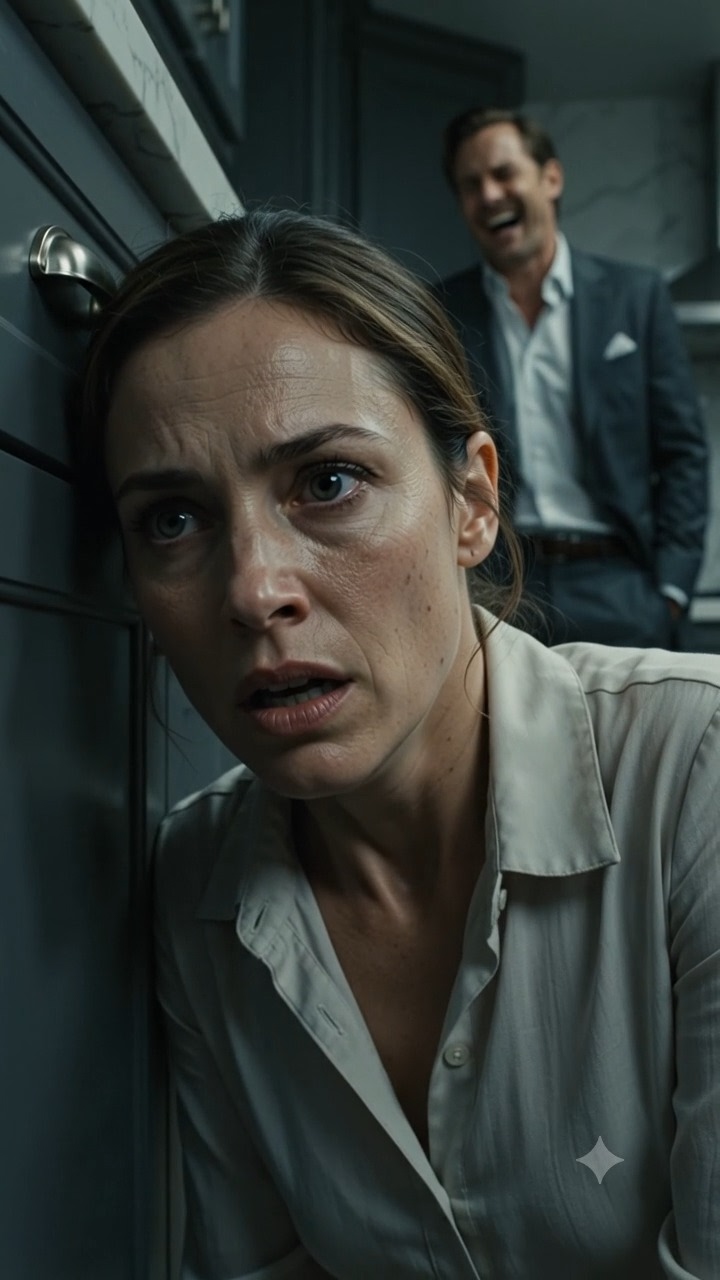
“She locked me in a room, Julian,” I said, my voice ice cold. “She left me on a concrete floor while my baby was suffocating in my stomach.”
“She panicked!” Julian insisted. “Madison is inconsolable! She’s been crying in the bridal suite for twenty-four hours! Her wedding night was completely ruined! The catering company refused to serve the main course because police cars were blocking the kitchen delivery gates! The whole event was a disaster!”
Nathan snatched the phone from my hand, his face flushed with a red-hot fury I had never seen in him before.
“Listen to me very carefully, you pathetic piece of garbage,” Nathan growled into the microphone. “My son is currently on a life-support ventilator in the ICU. My wife almost bled to death on a tile floor. And you are calling us to complain about a ruined catering menu and your wife’s wedding night?”
“Nathan, be realistic—”
“If you or Madison ever call this number again, or if either of you steps foot on this hospital floor, I won’t just let the police handle Celeste. I will hire every lawyer in this state to tear your father’s law firm down to the foundation. Do you understand me?”
“You can’t threaten me, Hayes—”
Nathan slammed his thumb on the red button, cutting the line instantly. He dropped the phone onto his lap, his shoulders shaking as he drew in deep, shuddering breaths.
I reached out and laid my bandaged hand over his.
“They aren’t going to get away with it, Nathan,” I said softly.
Nathan looked at me, his eyes filled with a dark, unwavering resolve. “No, Em. They aren’t.”
Orther Post